David Moyes era best XI: Everton’s finest

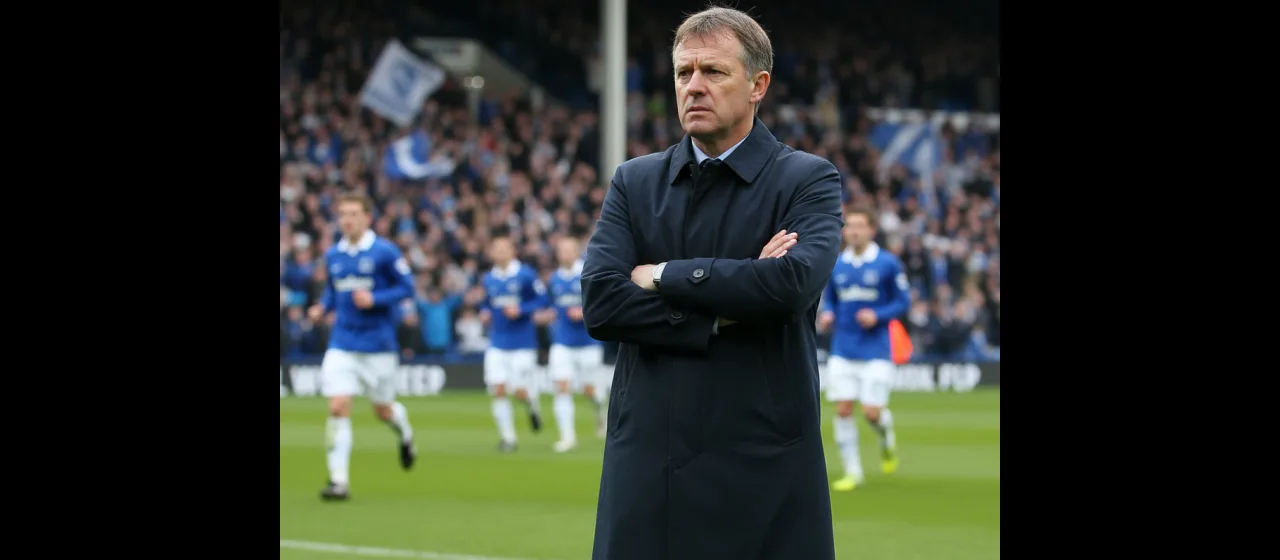
The David Moyes era best XI debate has captivated Everton supporters this week after the club’s official X account invited fans to share their most memorable lineups from the Scottish manager’s two spells in charge at Goodison Park. This nostalgic exercise has reignited discussions about the players who defined Moyes’ tenure and the tactical evolution that characterized his management across nearly two decades at the Merseyside club.
David Moyes’ relationship with Everton spans an extraordinary period in the club’s history, encompassing his initial appointment in 2002 through to his departure in 2013, followed by his triumphant return in 2017 and subsequent involvement with the club. The David Moyes era best XI encompasses some of the most talented footballers to grace Goodison Park during the Premier League’s modern era, representing a blend of technical excellence, tactical discipline, and unwavering commitment to the Toffees’ cause.
The Formation and Defensive Foundation
When constructing the David Moyes era best XI, supporters must consider the defensive solidity that underpinned his philosophy. Moyes was renowned for establishing robust defensive structures, prioritizing organization and discipline over flamboyant attacking displays. The goalkeeper position presents little debate—Nigel Martyn, during his prime years under Moyes, delivered exceptional performances between the sticks, though Edwin van der Sar’s brief tenure also merits consideration for his technical proficiency and distribution.
The defensive line would likely feature Leighton Baines on the left flank, a player who epitomized modern full-back play with his exceptional crossing ability and defensive recovery pace. Baines became Moyes’ trusted lieutenant, featuring in virtually every campaign and developing into one of Europe’s finest left-backs. The right-back position would almost certainly go to Phil Jagielka or Seamus Coleman, with Coleman’s later emergence under Moyes establishing him as a cornerstone of the team’s defensive setup.
Central Defensive Prowess and Midfield Mastery
The central defensive pairing represents perhaps the most contested element of the David Moyes era best XI selection process. Jagielka’s versatility and leadership qualities make him an obvious choice, having captained the side through challenging periods and delivering consistent performances across multiple seasons. Alongside him, supporters might select Sylvain Distin, the French defender whose aerial dominance and tactical intelligence provided Moyes with the ideal defensive partner during crucial campaigns.
Moyes’ midfield philosophy emphasized control, work rate, and defensive responsibility. Michu never played for Everton, but Marouane Fellaini’s physical presence and box-to-box capabilities defined much of the manager’s midfield strategy during the mid-2000s. The Belgian international’s arrival transformed Everton’s ability to dominate midfield battles, though his departure to Manchester United represented a significant loss of physicality. Check our Champions League coverage for more tactical analysis on how Moyes adapted his midfield approach across different eras.
Creative Forces and Attacking Talent
The David Moyes era best XI must accommodate the creative talents who illuminated Goodison Park during this period. Tim Cahill’s energy and goalscoring prowess from midfield made him indispensable to Moyes’ vision, delivering crucial goals and tireless running that characterized the manager’s demanding tactical system. Cahill’s partnership with either Fellaini or other midfield colleagues created a template that opposition sides struggled to neutralize.
On the flanks, supporters would likely select Aidan McGeady during his most productive years, when his direct running and crossing provided Everton with genuine attacking width. The Scottish winger’s technical ability and unpredictability offered balance to Moyes’ typically structured approach, creating opportunities for strikers through intelligent deliveries and penetrative play.
Striking Partnership and Attacking Apex
The forward positions generate considerable discussion among Everton faithful debating the David Moyes era best XI. Romário established himself as a genuine goalscoring threat during his tenure, delivering important goals in crucial matches. However, many supporters argue that Michu’s clinical finishing and positioning would enhance the attacking line, though his Everton career never reached the heights achieved at Swansea City.
Louis Saha’s brief but impactful spell at Goodison Park demonstrated the quality striker Moyes could attract during his tenure. Saha’s movement, technical ability, and experience provided the focal point for Everton’s attacking play during his involvement with the club. Alternatively, Yakubu Aiyegbeni’s power and physical presence offered an alternative attacking approach, terrorizing defenders through his directness and strength.
The Legacy and Selection Debate
The David Moyes era best XI ultimately represents more than simply selecting eleven talented footballers—it encapsulates the manager’s tactical philosophy, his ability to develop young talent, and his capacity to maintain competitive football despite significant financial constraints compared to rival Premier League clubs. Explore our Champions League analysis for comparative perspectives on European managerial approaches.
Moyes’ two spells at Everton demonstrated remarkable consistency in identifying talent, implementing systematic approaches, and extracting maximum performance from available resources. Whether supporters prioritize the defensive solidity of his early years or the attacking ambitions developed during later campaigns, the resulting eleven reflects a manager who prioritized organization, discipline, and tactical intelligence above all else.
The ongoing fan debate surrounding the David Moyes era best XI serves as a testament to the quality players who represented Everton during his tenure and the lasting impression his management left upon the club’s identity and playing philosophy.